Everyone Calls Him Defiant.
What if he is actually afraid?
A story-based guide from Patricia McGuire, MD, FAAP, a developmental-behavioral pediatrician with more than 30 years working with children who are labeled oppositional.
A Story-Based Guide for Parents of the "Defiant" Child Who Is Really Afraid
"A compassionate and deeply personal account of the challenges faced by children and their families when anxiety is mistaken for defiance."
Sean C. McDevitt, PhD, Psychologist
If Your Son Is the One Who Gets Sent to the Hallway, Read This Before You Reach for a Firmer Hand.
He is hunched over his work at the back of the room. The teacher asks him twice to clean up, then reaches for the bin, and his arm slams down to guard it. He shouts one word loud enough that the whole room goes quiet. No.
Everyone sees the same boy. A defiant one. What none of them can see is that a few minutes earlier he was building something, it was not finished, and the order to stop arrived with no warning his body could feel. What looks like defiance is something much older and much simpler. He is frightened, and "No" is the only tool he has to make the fear stop.
You might recognize:
- A child who turns simple transitions, like cleanup or a change of plan, into a standoff.
- Meltdowns that arrive with no warning and cannot be reasoned with once they start.
- A boy who cannot stop in the moment, even when he clearly knows better.
- Shame that lands right on top of the fear: he did not want to ruin the morning, and he knows he did.
- A private list, kept in his head, of all the true things about himself, and every item is some version of "bad."
- Adults who all care, and a hard hand that only ever seems to make it worse.

The Label Describes What He Does. It Says Nothing About Why.
The phrase a boy like this tends to collect is oppositional defiant disorder. It names the behavior and stops there. For roughly two out of three of these children, the why is not defiance at all. It is fear, wearing a defiant mask.
This matters, because we treat the two so differently. We meet defiance with more control, firmer consequences, a harder hand. Fear only gets worse under all three. A frightened child who is punished for being frightened learns just one thing: that the people who were supposed to keep him safe are one more wall to brace against.
Here is what 30 years of clinical work shows:
- When a child like this is truly flooded, the alarm system in his brain fires too hard and too fast, and the thinking part goes quiet. In that moment he cannot stop, reason, or find his words.
- A consequence handed down mid-flood teaches nothing, because the student has left the building. It only adds another layer of shame.
- An alarm set too loud can be worked with. Children can learn to feel the storm coming, and adults can learn to see the fear instead of only the fallout.
- The same fear wears a different costume in girls. A rigid, controlling girl gets called bossy or dramatic, and no one goes looking for the fear underneath.
- Anxiety is a common driver here, but not the only one. Similar behavior can come from the impulsivity of ADHD or from mood dysregulation. The point is to look, not to assume.
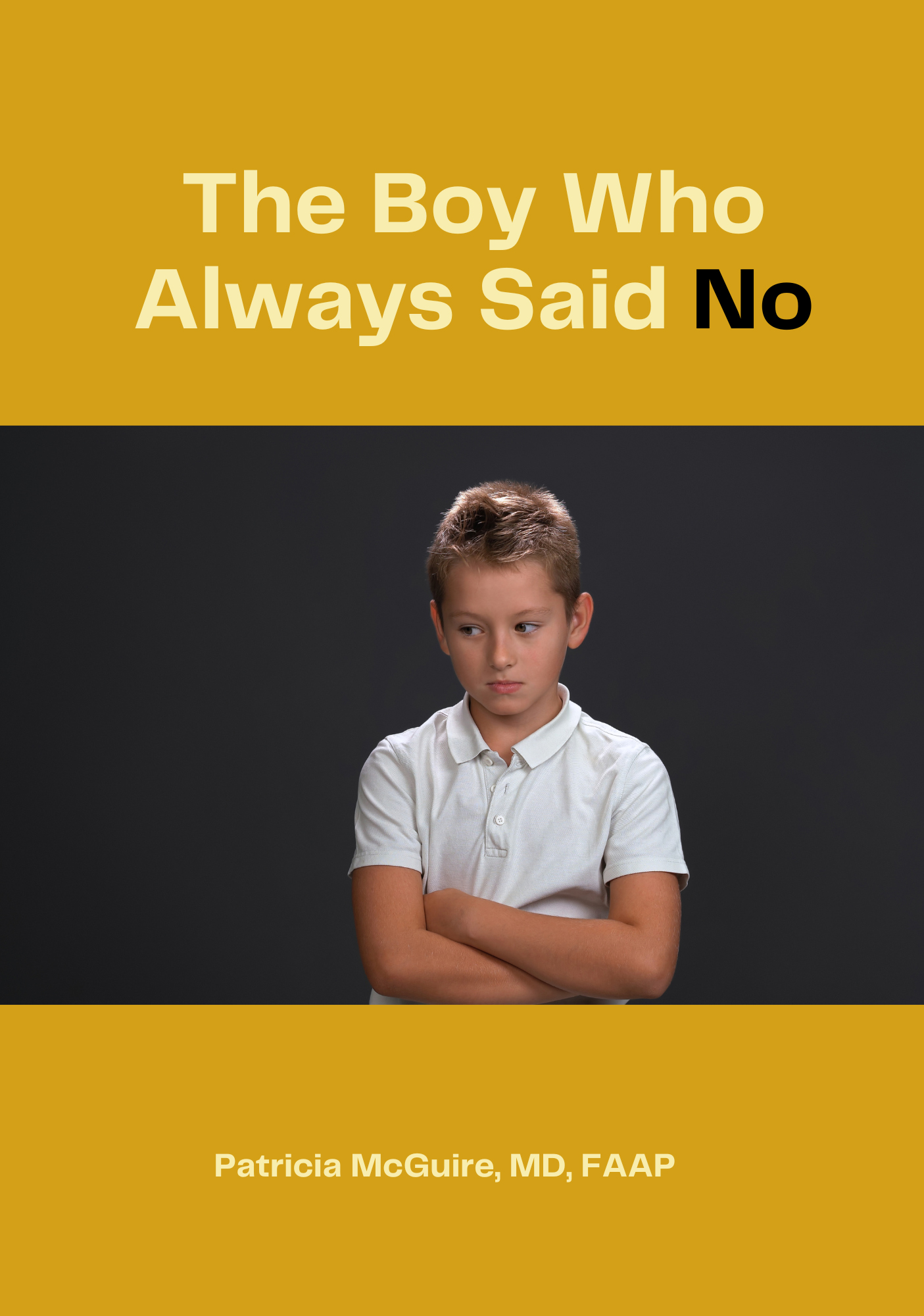
Introducing The Boy Who Always Said No
A Story-Based Guide for the Child Everyone Calls Difficult
I could have written this as a chapter of clinical explanation. I have read those chapters. Parents read them and think, interesting, but that is not quite my child.
So I wrote a story instead.
The Boy Who Always Said No follows Theo, eight years old, from the worst year of his young life into the one where everything slowly begins to turn. You sit at the kitchen table while an ordinary morning falls apart. You stand in the meeting where his whole year is read back to his mother as a list of offenses. You watch one adult finally set down her pen and ask a different question, and you watch a boy who has been locked shut for three years open like a door.
There are no villains in it. That is the part parents tell me they feel in their chest. The adults all mean well. They are simply looking for the wrong thing, until someone shows them what to look for instead.
The book also introduces Priya, a girl the world calls bossy, whose behavior comes from the very same fear. Their fear is the same. Only the costume is different.
"Through the story of Theo, an eight-year-old boy labeled as 'oppositional' whose disruptive behavior appears to call for firmer discipline, Dr. McGuire demonstrates that what Theo truly needs is understanding, empathy, and collaboration. She invites parents, teachers, and clinicians to ask, not 'How do we stop this behavior?' but 'What is the child afraid will happen?' This book will be a valuable resource for parents, teachers, and mental health professionals."
Sean C. McDevitt, PhD, Psychologist
If You Have a Son You Have Been Wondering About, This Is the Book I Would Put in Your Hands.
The ebook is $4.49 here. Instant download, PDF and EPUB.
Would you rather have it in print, or on a Kindle? The paperback is $10.99 and the Kindle edition is $5.99 on Amazon.
Get the ebook now for $4.49By Following Theo's Story, You Will Be Able To:
- See the fear that hides underneath what looks like defiance.
- Ask the one question that opens doors: "What were you afraid was going to happen?" instead of "Why did you do that?"
- Recognize the flood in the moment, and understand why consequences handed down mid-storm never land.
- Stop adding shame to a child who is already carrying too much of it.
- Work with the loud alarm instead of against it, so the hard days come less often.
See that there are no villains in this story, only well-meaning people who simply did not know what to look for.
The Transformation You Can Expect
Before
- Mornings and transitions that end in a standoff no one wins.
- A child you love who seems to be choosing to make things hard.
- Consequences that escalate and never seem to teach.
- A growing distance between you and a boy who feels like one more wall.
After
- You can see the fear before the fallout, and often head it off.
- You have words that calm instead of accuse.
- You understand what his brain is actually doing in the moment.
- You can be the safe adult instead of another wall to brace against.
- A boy who feels understood, maybe for the first time in years.

What Is Inside
Each chapter follows the story, then closes with a short commentary from Dr. Pat that explains what the adults missed and what to do instead.
Part 1: The Hard Year
An ordinary morning that falls apart, the third-grade classroom, and the meeting where a good boy's year is read aloud as a list of offenses.
Part 2: The Turning Point
The day one adult sets down her pen in the yellow office and asks a different question, and the slow work of a boy beginning to open.
Part 3: What Changes When He Is Understood
Curiosity before consequences, seeing the flood coming, and the same fear recognized in Priya, the girl they called bossy.
About the Author
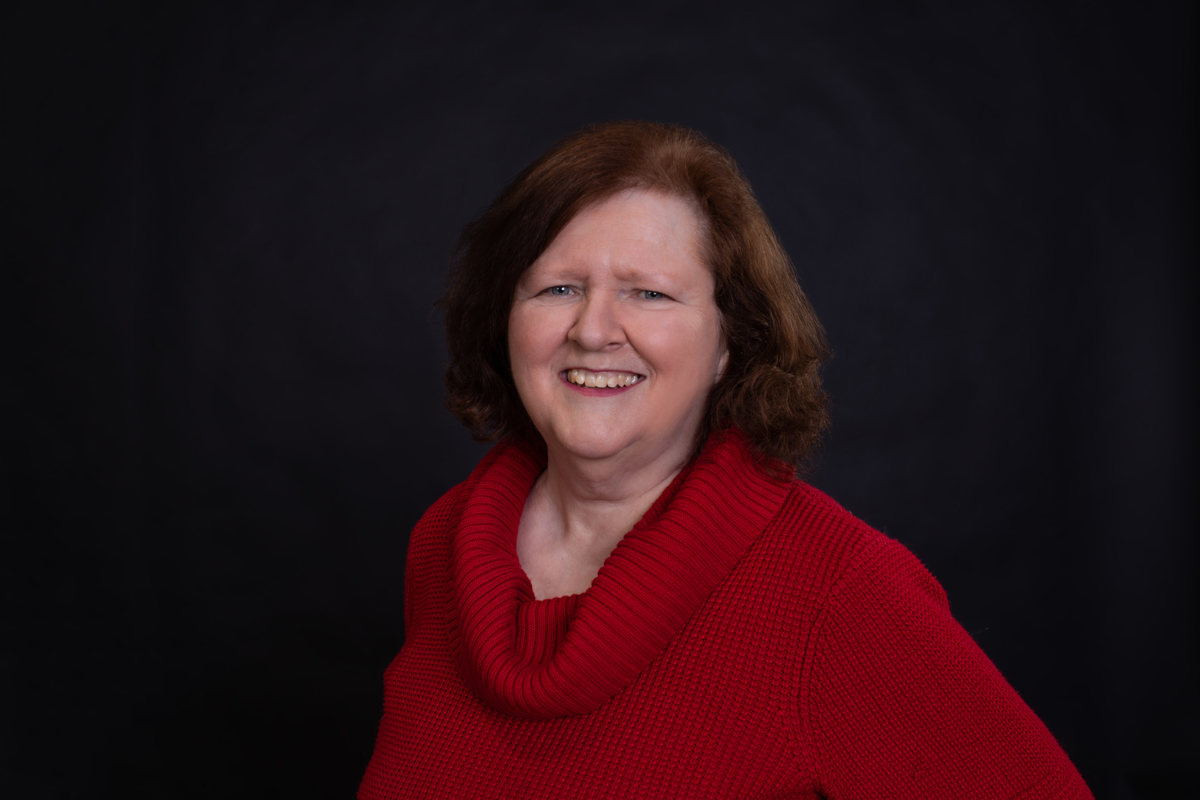
Patricia McGuire, MD, FAAP, is a developmental-behavioral pediatrician with more than 30 years spent looking past the labels of oppositional and defiant, to the frightened child they so often hide. She has watched loving parents, caring teachers, and competent doctors all miss the same thing, not for lack of trying, but because they were trained to see a defiant child instead of a frightened one. She writes the stories she wishes every one of them had been handed sooner.
This book is a story meant to build understanding. It is not a substitute for a personal evaluation, diagnosis, or medical advice from a qualified professional who knows your child.
He Is Not a Bad Boy. His Alarm Is Loud.
Those are two very different things. Meet Theo, and you will never see the difficult child the same way again.
The ebook is $4.49 here. Instant download, PDF and EPUB.
Would you rather have it in print, or on a Kindle? The paperback is $10.99 and the Kindle edition is $5.99 on Amazon.
Get the ebook now for $4.49Prefer paper, or a Kindle?
The ebook on this page is $4.49. You get the PDF and the EPUB by instant download. This is not a printed book, and nothing is shipped to you.
If you would rather hold the book in your hands, the paperback is $10.99 and the Kindle edition is $5.99. See it on Amazon.