

Understanding the "Whys" of Children's Behavior
Before anyone calls a child difficult, someone should find out why.
Patricia McGuire, MD, FAAP. Developmental-behavioral pediatrician, more than thirty years in practice.

Welcome
Many children seem easy when they are not your own. You may be the one raising a child that others describe as challenging or difficult. When I was a child, the word they used for me was strong-willed. If that sounds like your child, you are in the right place.
Here you will find resources to help you understand the whys of your child's behavior. If you are a teacher, a social worker, a psychologist, or a physician, you will find the whys of your student's or patient's behavior here too. Every one of you is asked to help parents understand why a child is behaving this way, and what help is available for the family and for the school.
Please scroll down to find free resources, a podcast, articles, and the books that have been written about different kinds of children. The list is not finished. More books are on the way, to help more parents of special children.
Three Factors Shape Every Child. Who Needs to Understand Them?
There are three factors that shape every child: temperament, development, and environment. Understanding them is how a child who gets called difficult starts to make sense. So who needs to understand them?
Every one of these people is an expert in part of a child. None of them is handed the whole picture, and the pieces do not fit together on their own. It starts at home.

Parent
You are the only person on this list who sees all three factors, in the same child, every day. A teacher gets a year. A pediatrician gets fifteen minutes. You have the whole record, and nobody has ever handed you the framework for reading it. That is what everything here is for.

Teacher
You have this child for six hours a day, alongside twenty-nine others, with benchmarks to meet. Teacher training covers reading, writing, and math. It does not cover how temperament, biology, and home life walk into your room together and pull against each other.

Social Worker/Psychologist
You are asked to be expert in school systems, mental health, behavior, and learning, all at once. You may know these three factors well. What is usually missing is a consistent way to check all three every time, instead of only the one that is loudest that day.

Pediatrician/psychiatrist
You have fifteen minutes and a full waiting room. Developmental-behavioral pediatrics and child psychiatry both train for exactly this, and there are far too few of us. Most of these children are seen by someone who was never given the framework.

The Three Factors That Make Up Children
Children are born wanting to be loved, accepted, and respected. They are not born knowing how to give those things back. We have to teach them, and three factors shape how that goes.
- Temperament. The way a child is wired to meet the world.
- Biology and development. How a child grows, and how a child learns.
- Environment. The world a child has to live in.
These three land differently on every child, and they act on each other. To support a child well you have to understand each one on its own, then see how they combine. Click any of the three above to open its collection of articles, all free to read.
What You Will Find Here
Start with the free resources. Each one is short, practical, and yours right now.
- 7 Quiet Signs of ADHD in Girls. The signs that get missed, because she is not the child bouncing off the walls.
- Three Lines for the Hardest Ten Minutes of the Morning. A printable card for the ten minutes before school.
- The Helping Challenging Children podcast. Every episode, free to listen to.
Nothing here costs anything, and none of it asks you to set up an account. Click any title above to go straight to it.
Articles
Articles about the children who get called lazy, defiant, or careless, and what is usually going on instead. Read every past issue of Beyond the Label and the blog. Each of the three factors above also opens its own collection.
New articles arrive as a free letter, Beyond the Label: real children, real classrooms, and something you can use the same day. You can leave whenever you like.
Books
Dr. McGuire has written books that answer questions about specific types of children. There are stories and guides for parents, for teachers, and for the professionals who work with them.
A better deal on the ebook, right here.
Every book sold on this site is the digital edition. You download it the moment you pay. You never pay more here than on Amazon, and for most books you pay less.
Would you rather hold a paperback? Paperbacks are sold on Amazon.
Find the paperback link for each book.
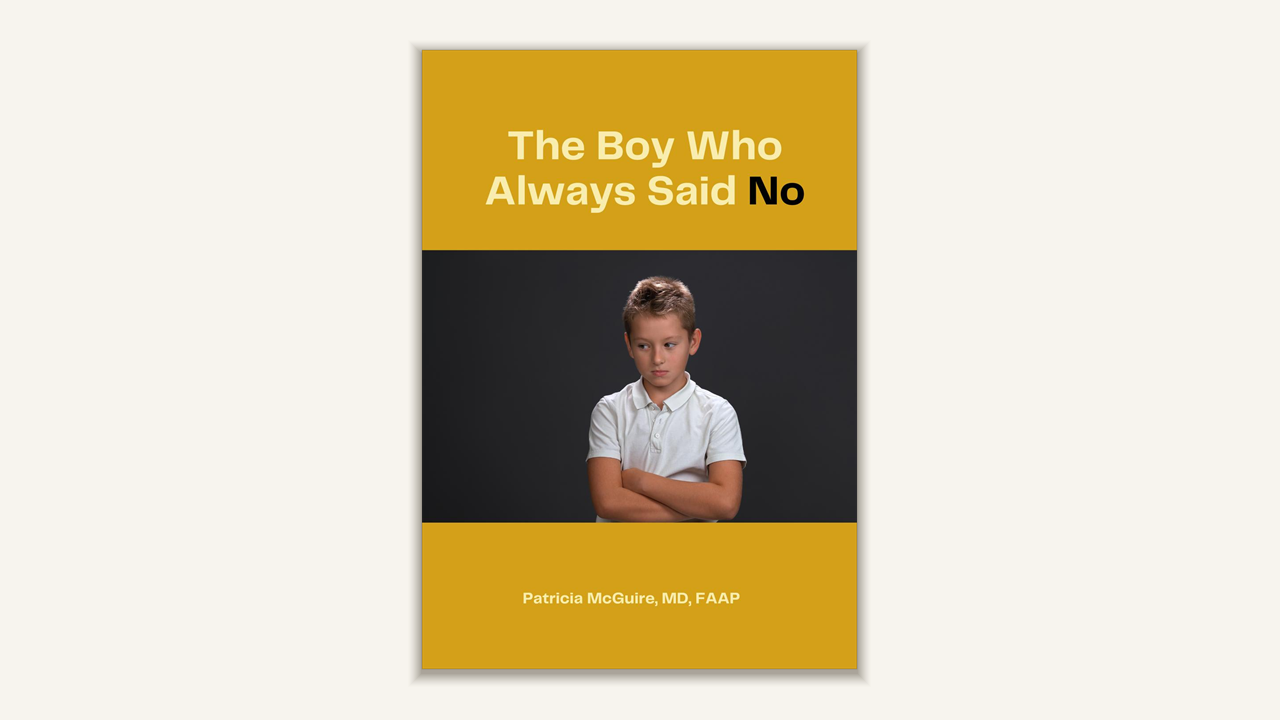
The Boy Who Always Said No
Theo is eight, and every adult around him has decided he is defiant. He is frightened.
"A compassionate and deeply personal account of the challenges faced by children and their families when anxiety is mistaken for defiance."
Sean C. McDevitt, PhD, psychologist

The Girl Who Couldn't Sit Still Inside
The ADHD that hides inside a quiet, well-behaved girl.
"This is the ADHD book the market has long needed."
Cynthia Hammer, MSW, Executive Director, Inattentive ADHD Coalition
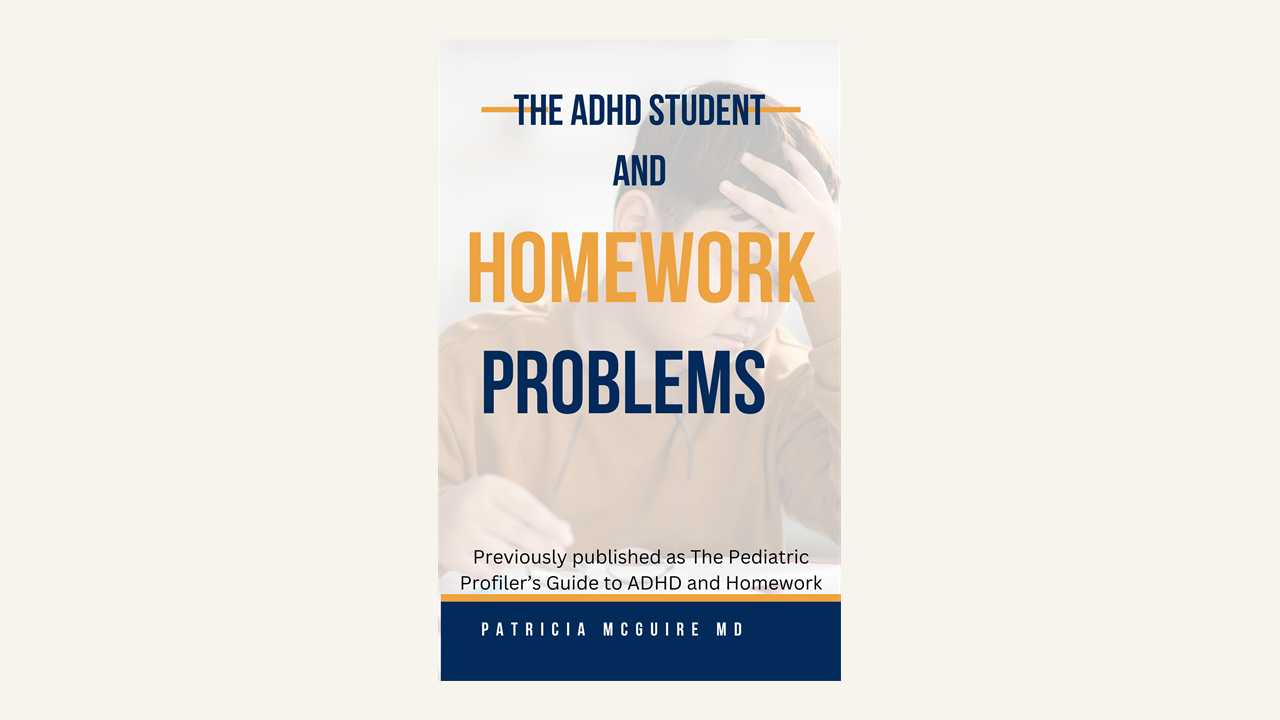
The ADHD Student and Homework Problems
Why homework goes wrong at your kitchen table, and what actually helps.
"This book offers easy to understand descriptions of ADHD and other diagnosis combined with it."
Five-star Amazon review

The Marcus Long Language Journey
Five novels about the language disorders nobody sees.
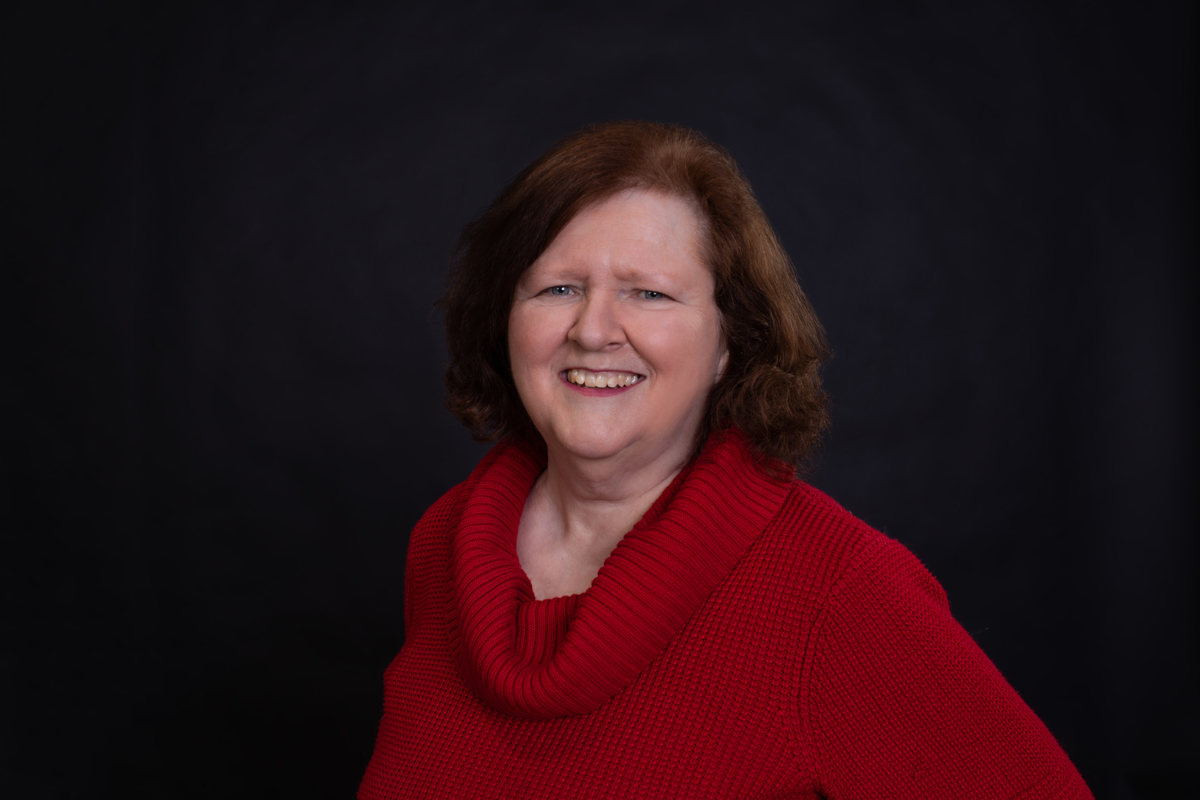
Meet Dr. McGuire
No child arrives with an owner's manual. If one existed, you would already know why this child comes apart at the classroom door and the one beside him does not, and what to do about it.
I spent more than thirty years as a developmental-behavioral pediatrician looking for that manual on behalf of families. What I found instead is that almost every child who gets called difficult is being read wrong in one of three places: temperament, biology, or the world they have to live in.
That is what everything here is for.
What Parents and Professionals Say
From families I worked with in my practice, and from the teachers, psychologists, and social workers who came to my trainings.
"I got answers, I learned, and I was finally able to advocate for my daughter."
A parent
"She quickly and accurately determines why something is happening and is wonderful at explaining it so parents and teachers can understand."
A parent
"The information was invaluable, immediately useable for participants to take back and put into practice."
Cheryl Montgomery
President, Nebraska Association of Community Professionals
"I feel like the concepts and the strategies that I learned will help me be a better clinician."
Clinical psychologist
San Diego
"It helps us in determining why a child is acting out the way they are."
Elementary school principal
Iowa
"Dr. Pat is amazing, extremely knowledgeable, quite entertaining (great sense of humor), and an engaging speaker."
Seminar attendee
Chico, California
