
It didn't stop working. It got put away
I want to tell you about a small moment in my office that I have seen more times than I can count.
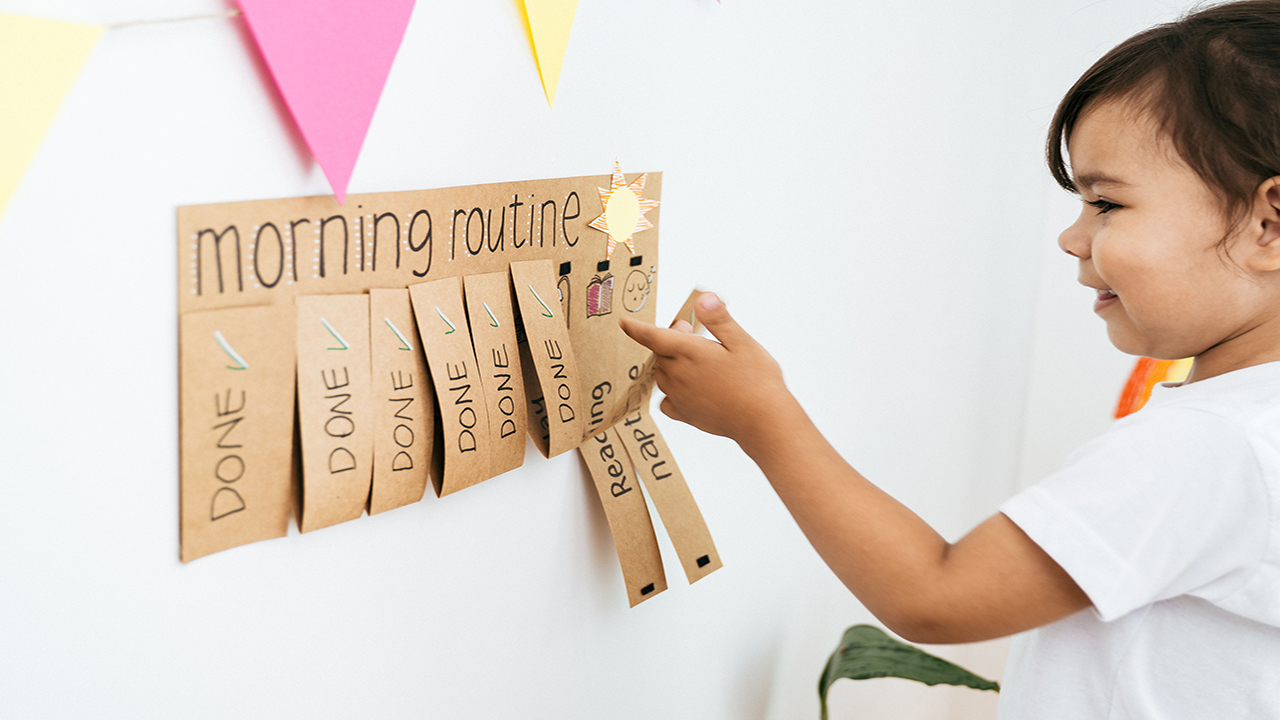
A mom came in worn out. A few weeks earlier, she and I had set up a simple visual schedule for her child, a row of pictures showing how the day would go, in order. It had worked. The mornings got calmer. And then, she told me, it stopped working. The meltdowns were back. She was certain her child had slipped backward.
So I pulled out the same schedule we had made together. I set it in front of her child and asked, "Where are we right now?" Without a word, a small finger landed right on the spot. "And what comes next?" The finger moved to the next picture. You could watch the child's shoulders come down and the worry drain out of the room. The mom stared at me, stunned. I had not done anything clever. The child already knew how. They just needed to see it.
Here is what had really happened at home, and I see it in most families who try this.
The schedule worked, so after a couple of weeks, life got busy and it quietly came down off the wall. Or it stayed home in a drawer while they went out for the day, because by then the parent figured the child could picture it on their own.
That is the part I want you to hear. These children cannot hold the schedule in their heads. That is the whole reason they needed it on paper in the first place. For a child whose mind struggles to organize time and order, a picture they can see does the work their memory cannot. Take the picture away, and they can no longer tell what is coming or whether the day is going the way it should. The day stops feeling predictable, and the meltdown follows. It looks like the child went backward. Really, the one thing they could see got put away.
A visual schedule is not a tool for the hard days. Used every ordinary day, it is the thing that keeps the hard days from arriving.
So here is what I would try this week. Keep the schedule up where your child can see it, and use it on a calm, normal day when nothing is wrong. Then, when you head out the door, take it with you. Do not ask your child to carry the whole day in their memory. Let them keep a finger on it.
Will you tell me one thing? Reply to this email and tell me about a strategy you tried once, watched it work, and then let slip when life got full. I read every response, and what you share helps me know what to write to you next.
Warmly,
Dr. Pat
Patricia McGuire, MD, FAAP
Developmental-Behavioral Pediatrician





Responses